

WNC -- May 29, 2026: Summer is officially here in Western North Carolina, but it arrives with a serious challenge. Despite a few welcome, scattered Memorial Day weekend showers that briefly knocked back the state's "Exceptional Drought" labels, the N.C. Drought Management Advisory Council confirms that the interior mountains remain locked in a stubborn, long-term Extreme Drought.
With groundwater tables sitting near historic lows and local municipal water systems keeping a close eye on their shortage response plans, standard high-maintenance backyard gardening is off the table this season.
The good news? You can still keep your yard vibrant and support struggling local pollinators without running up your water bill or wasting precious local resources. The secret lies in skipping the finicky annuals and leaning heavily into ultra-hardy, drought-tolerant native plants that have spent thousands of years adapting to our region's specific mountain conditions. Once established, these tough varieties are designed to survive on tough love, sunshine, and whatever minimal rain nature throws our way.
The Low-Water, Low-Care All-Stars
When choosing what to put in your landscape or porch containers this weekend, look for deep-rooting varieties that explicitly thrive in poor, dry soils. Experts recommend focusing on these four bulletproof options:
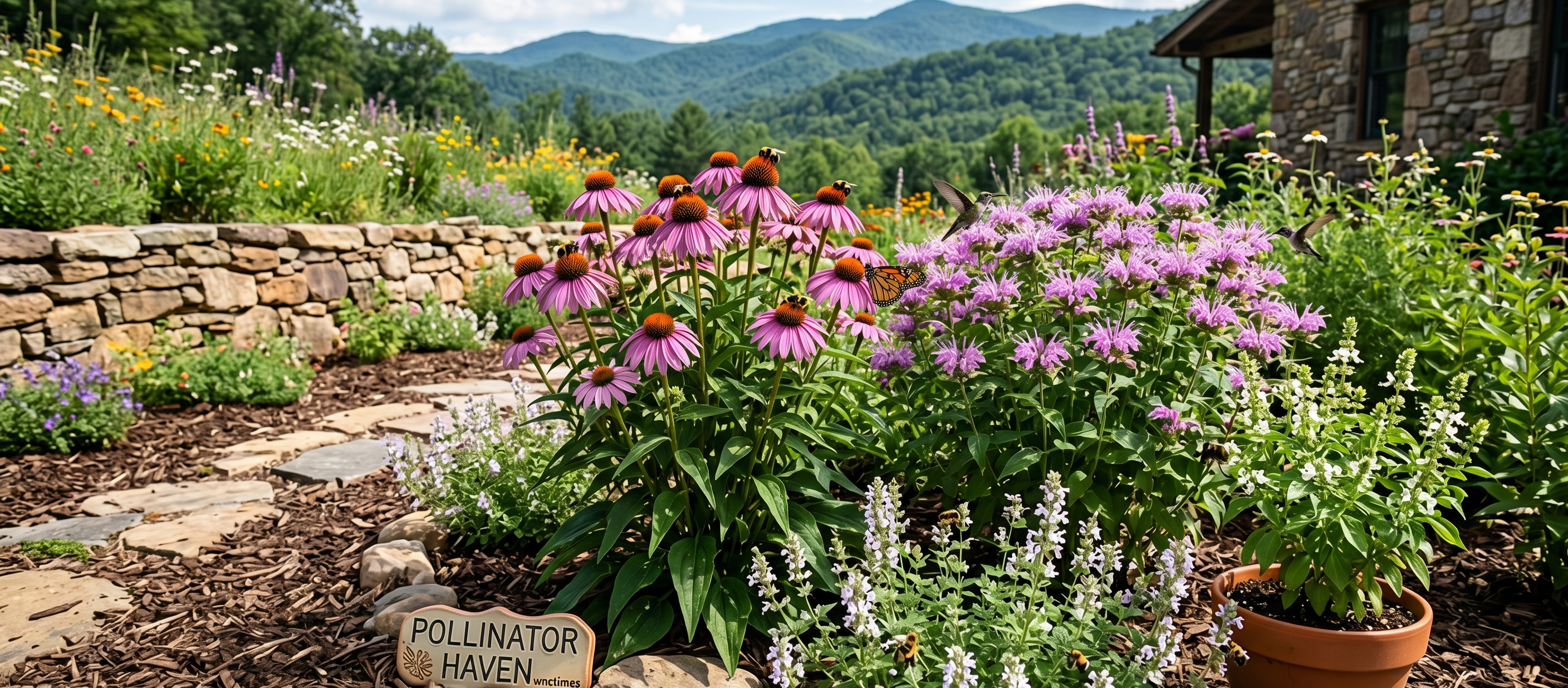
Purple Coneflower (Echinacea purpurea): The undisputed king of the dry summer garden. It relies on a thick, deep taproot that acts as a subterranean storage tank for water, meaning it can easily handle weeks of blistering heat without wilting.
Wild Bergamot / Bee Balm (Monarda fistulosa): Unlike its moisture-loving cultivars, the native wild bergamot is highly adaptable to sun-baked, rocky hill slopes and poor soils. It draws in bumblebees by the dozen while requiring zero extra attention from your hose.
Catnip (Nepeta cataria): A powerhouse member of the mint family that is essentially un-killable once it takes hold. Its aromatic oils naturally deter pests while the tiny blossoms provide a crucial nectar source for small native solitary bees. It handles dry container soil beautifully.
Flowering Basil: If you are gardening on a sunny porch or patio, small containers of basil are incredibly efficient. Let them bolt (produce flowers) in the heat; the tiny blooms are magnets for pollinators, and the plant itself thrives on a strict "let the soil dry out completely between drinks" schedule.
The "Zero-Waste" Watering Plan
Even the toughest drought-tolerant natives need a little bit of hydration during their first 2 to 3 weeks in the ground to get their roots anchored. To keep them alive without putting a strain on our local water basins, follow these strict, smart conservation guidelines:
Hydrate Early or Late: Only water in the early morning or late evening. Watering under the hot midday sun causes a massive percentage of the moisture to evaporate into thin air before it ever reaches the soil.
Target the Roots directly: Never use overhead sprinklers, which waste water on leaves and walkways. Pour water directly at the very base of the plant using a watering can or a low-pressure drip.
Lock it in with Mulch: Surround your new plantings with a 2-inch layer of hardwood mulch. This acts like a protective blanket, keeping the soil cool and locking in whatever moisture is present.
Embrace the Puddle Dish: Pollinators need water to survive the drought too, but deep birdbaths dry up fast and pose a drowning risk. Place a shallow dish filled with pebbles and a bit of water on your porch; it gives bees a safe place to land and drink without creating an evaporation trap.
By shifting our mindsets away from thirsty lawns and towards tough, water-wise mountain natives, WNC residents can keep their backyards beautiful, resilient, and buzzing all summer long.