

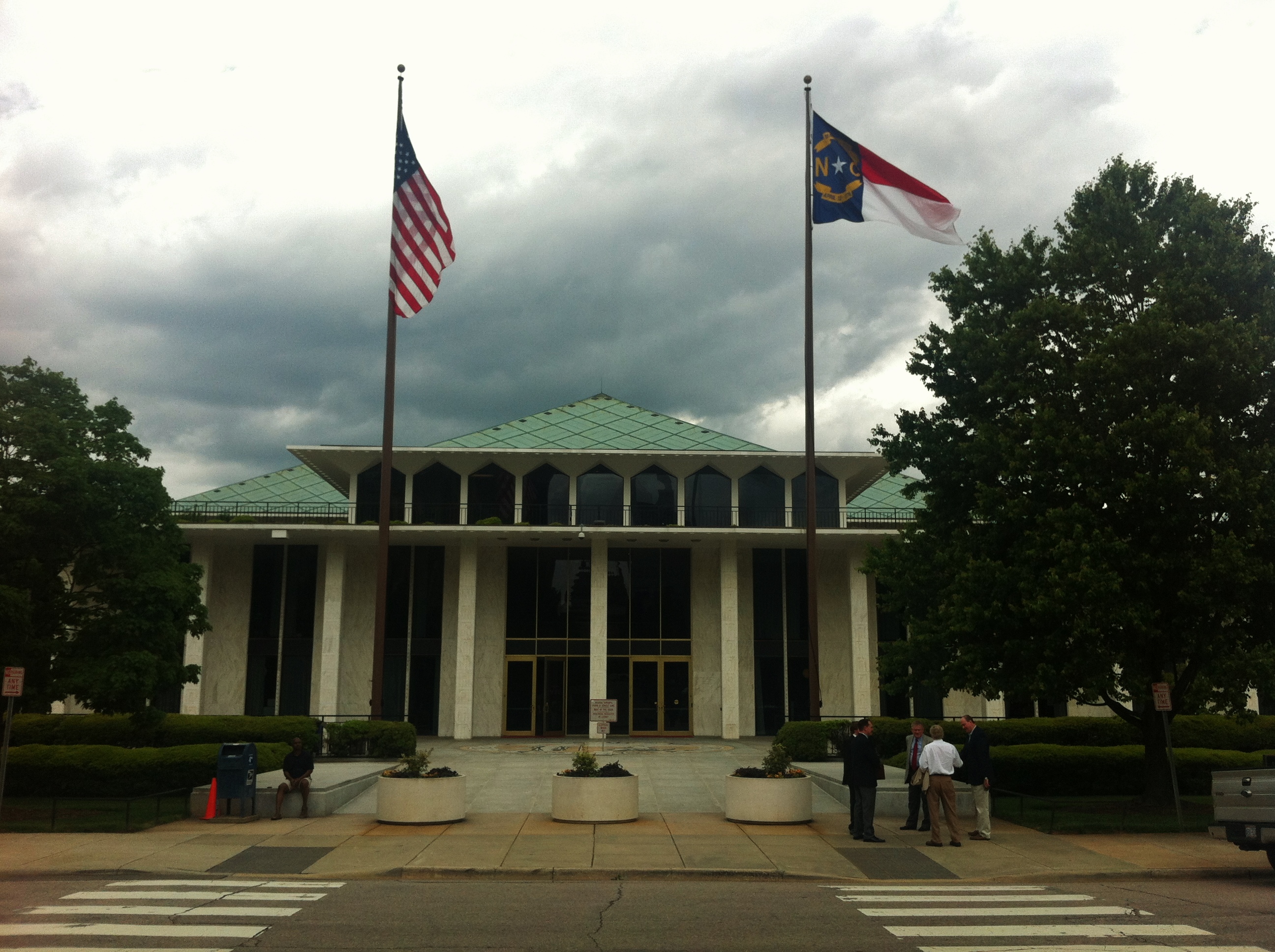
Raleigh -- August 19, 2026: The Republican-controlled North Carolina General Assembly passed legislation that systematically stripped key constitutional and statutory powers from both the Governor and the Attorney General.
Through Senate Bill 382, Republican legislative supermajorities used a veto override to force through sweeping structural shifts. Packaged within a broad legislative measure, the new law dismantled long-standing executive authorities across elections, court appointments, regulatory agencies, and the state's legal defense.
Powers Stripped from the North Carolina Governor
State Board of Elections Control: The General Assembly stripped the governor of the authority to appoint members to the State Board of Elections and select the chairs of all 100 county election boards, transferring that appointment power over to the state auditor's office.
Judicial Vacancy Appointments: Lawmakers stripped the governor’s broad constitutional discretion to fill judicial vacancies on the North Carolina Supreme Court and Court of Appeals, forcing the governor to pick exclusively from a narrow list supplied by the political party of the vacating judge.
Law Enforcement Leadership: The legislature stripped executive oversight of the North Carolina State Highway Patrol, locking in the commander's post and removing the governor's power to replace or supervise that position.
Regulatory and Commission Oversight: The law stripped the governor of major appointment authority across key regulatory and policy boards, shifting control of the North Carolina Utilities Commission and the North Carolina Department of Transportation oversight boards directly to legislative leadership.
Powers Stripped from the North Carolina Attorney General
Multi-State Lawsuit Participation: The statute stripped the Attorney General's independent authority to enter multi-state lawsuits, class actions, and out-of-state federal litigation without legislative alignment. Historically, multi-state legal actions led by state attorneys general have secured billions of dollars for North Carolina, including roughly $1.5 billion in opioid manufacturer settlements, major environmental cleanup funds for chemical contamination, and direct restitution for consumers targeted by corporate fraud.
Constitutional Defense Gag: Lawmakers barred the Attorney General from filing legal challenges, intervening in court, or taking official litigation stances that conflict with the positions of the Republican-controlled General Assembly.
Consumer Advocacy in Utility Cases: The legislation stripped statutory authority previously used by the Attorney General's office to intervene on behalf of the public in utility rate-increase cases and energy proceedings before the state Utilities Commission.
The Ongoing Battle
While the Republican-controlled legislature pushed these measures into statute over gubernatorial vetoes, the power shift immediately sparked major legal challenges. State courts and appeals panels have issued various injunctions and stays as lawsuits challenge whether the General Assembly's actions violate the separation of powers established under the North Carolina Constitution.
Proven Track Record: Protecting North Carolina Through Multi-State Actions
Advocates of executive independence point out that multi-state litigation is one of the most effective tools the Attorney General has to protect North Carolina families and local budgets. North Carolina Attorney General Jeff Jackson has actively utilized multi-state legal coalitions and federal lawsuits to deliver tangible results for the state—including securing hundreds of millions in federal disaster mitigation and infrastructure funds through the North Carolina Department of Justice, challenging anticompetitive algorithmic rent-setting practices alongside partner states, taking major tech corporations to court over child safety, and challenging federal trade and grant restrictions that threaten local economies. Stripping the Attorney General’s authority to join these joint legal battles without legislative sign-off risks sidelining North Carolina from major national settlements and consumer protections that directly safeguard taxpayers.
The Breakdown of key actions and victories led or joined by Attorney General Jeff Jackson
Tackling AI Rental Price-Fixing: Joined federal and multi-state antitrust litigation against software firm RealPage and major landlords. This action has already secured multi-million-dollar settlements with property management giants like Greystar and LivCor, prohibiting landlords from using shared algorithms to artificially inflate rent on tens of thousands of North Carolina apartments.
Defending Consumers Against Food Price Inflation: Reached a nationwide antitrust settlement with three of the country's largest egg producers over price manipulation, securing nearly 3 million donated eggs for North Carolina food banks to support families facing high grocery costs.
Protecting Homeowners from Predatory Real Estate Schemes: Won a major summary judgment against MV Realty, permanently blocking the company from enforcing deceptive 40-year homeowner listing agreements and collecting illegal penalties.
Challenging Federal Trade Policies and Tariffs: Filed multi-state federal lawsuits challenging unlawful, broad-based tariffs, citing independent economic analyses showing the import penalties would cost average North Carolina households $1,100 per year and harm the state's agriculture exports.
Bipartisan Action on Artificial Intelligence and Child Safety: Co-launched a nationwide bipartisan AI task force with other state attorneys general to establish enforceable safety standards, target digital scams, and protect children from predatory online practices.
Official filings and case updates can be tracked through the North Carolina Department of Justice, legal analysis via the Wake Forest Law Review, and local community reporting at WNC Times.