

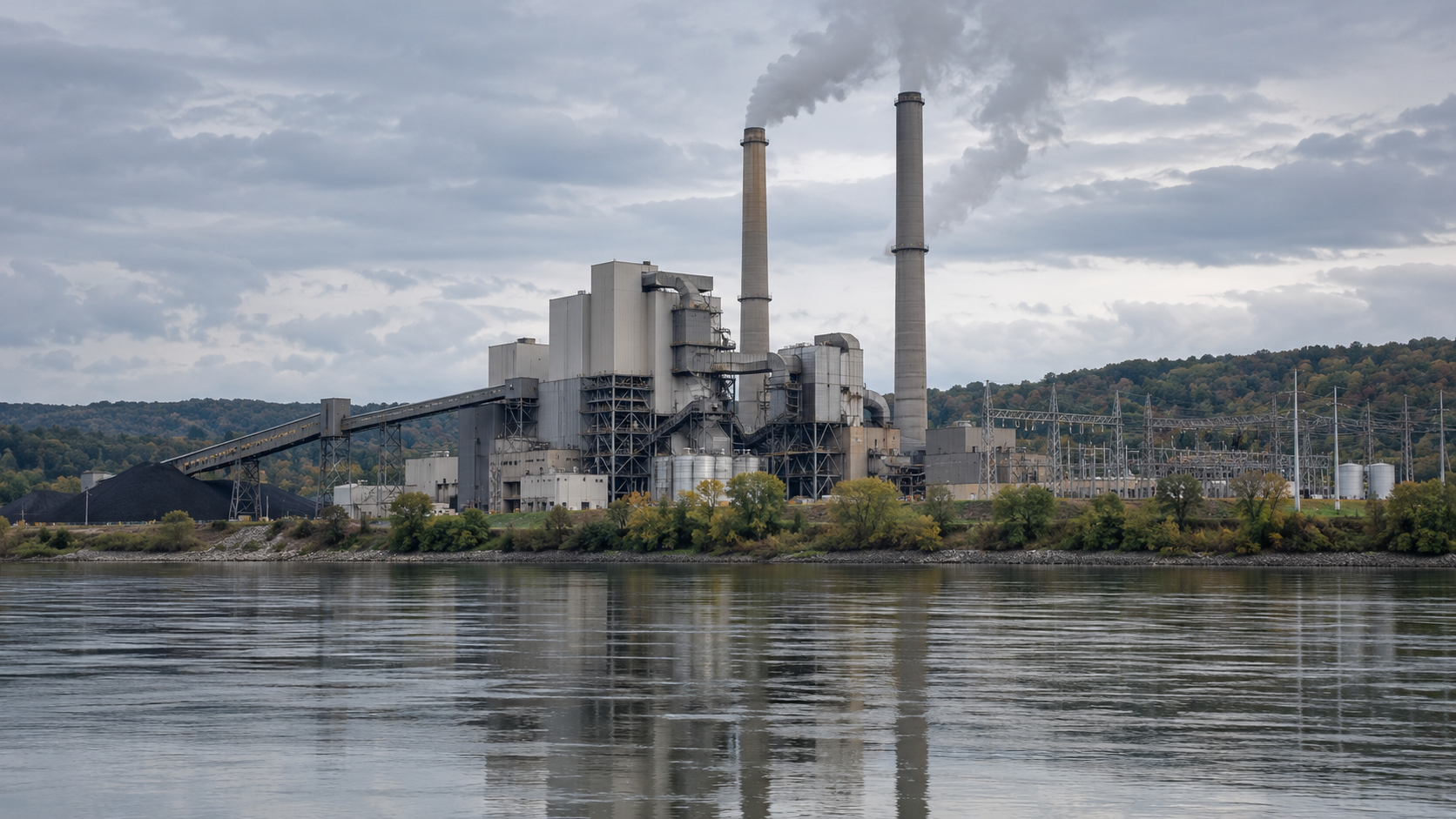
Washington, DC -- October 24, 2026: Federal actions remove tougher power-plant standards, reverse vehicle climate regulations and propose changes to drinking-water protections.
The Trump administration’s changes to federal pollution protections extend beyond temporary waivers for individual industrial facilities. EPA has also repealed stronger requirements governing toxic emissions from power plants, removing protections that otherwise would have remained after exemptions expired.
The final rule repealing key 2024 amendments to the Mercury and Air Toxics Standards was published Feb. 24, 2026, and took effect April 27. It restored earlier requirements for affected emissions limits and monitoring. The repeal removed a tighter mercury-emissions limit for lignite-burning power plants, stricter limits on particulate emissions used to control other hazardous metals, and a requirement to use continuous monitoring to demonstrate compliance with particulate limits. Earlier federal standards remain in place.
That distinction separates two different policy actions. A temporary exemption postpones compliance for covered facilities. A repeal removes a requirement from federal regulations; it does not automatically return when an exemption ends.
What changed at power plants
EPA reversed three principal provisions: a tighter filterable-particulate-matter standard used to control hazardous metals other than mercury; a requirement to demonstrate particulate compliance through continuous emissions monitoring; and a lower mercury-emissions limit for plants burning lignite, a type of coal.
For existing coal-fired generating units, the particulate limit returned from 0.010 to 0.030 pounds per million British thermal units. For lignite-fired units, the mercury limit returned from 1.2 to 4.0 pounds per trillion British thermal units.
EPA argues that the additional controls were not justified by their costs and the remaining risks under earlier standards. It also questioned whether the evidence demonstrated that lignite plants with different boilers and fuel compositions could consistently meet the tighter mercury limit.
Public-health, environmental and community organizations sued to challenge the repeal. They argue that it weakens protection against hazardous pollution and removes stronger monitoring requirements. Harvard Law School’s Environmental and Energy Law Program reports that challenges were consolidated and placed on hold while EPA considers a petition for reconsideration. A pending lawsuit does not itself overturn the rule.
Why mercury protections matter
EPA identifies mercury as a neurotoxin, with unborn infants particularly vulnerable to its effects. Methylmercury exposure, commonly associated with eating contaminated fish, can harm developing brains and nervous systems, affecting memory, attention, language and other abilities.
The severity of health effects depends on the amount, form and duration of exposure, along with a person’s age and other factors. These established hazards explain the public-health importance of mercury controls.
Temporary exemptions are a separate action
The administration has also granted selected industrial facilities two-year exemptions from strengthened toxic-air-pollution requirements.
A chemical-manufacturing proclamation published July 13, 2026, extends applicable compliance deadlines for listed facilities by two years. During those periods, the facilities remain subject to earlier standards. The proclamation invokes Section 112(i)(4) of the Clean Air Act and asserts that necessary compliance technology is unavailable in a commercially viable form and that exemptions serve national-security interests.
Environmental organizations dispute the technology claims and have challenged exemptions in court. October reporting by Harvest Public Media described exemptions involving multiple industries, including power generation, chemical manufacturing and coke production for steelmaking.
Other environmental changes since January 2025
The power-plant actions form part of a broader shift since President Donald Trump began his second term. The following measures have different legal scopes and stages of completion.
Vehicle greenhouse-gas standards — final action. On Feb. 12, 2026, EPA finalized its rescission of the 2009 greenhouse-gas endangerment finding and associated greenhouse-gas standards for highway vehicles and engines. The finding had provided the foundation for those standards under Section 202(a) of the Clean Air Act. EPA explicitly states that the action does not affect vehicle regulations governing traditional air pollutants.
Power-plant carbon standards — partial repeal finalized; broader repeal proposed. On Sept. 14, 2026, EPA signed a final partial repeal of the 2024 carbon-pollution standards for fossil-fuel power plants. Separately, it proposed rescinding the supporting greenhouse-gas findings and remaining power-plant greenhouse-gas regulations. The broader proposal should not be confused with the completed partial repeal.
EPA says its power-sector changes will reduce regulatory costs and support electricity reliability. Public-health and environmental organizations challenged the carbon-rule repeal in September, followed by a coalition of states and local governments in October. Those lawsuits seek to overturn the action.
PFAS drinking-water requirements — proposed changes. On May 18, 2026, EPA proposed rescinding drinking-water requirements for PFHxS, PFNA, GenX chemicals and specified mixtures that include those substances and PFBS. EPA argues that the earlier requirements were adopted through an improper statutory process. Its proposal concerns three individual chemical standards and a mixture standard, rather than four separate individual limits.
A separate proposal would retain existing limits for PFOA and PFOS while allowing qualifying public water systems to request up to two additional years, until 2031, to comply. EPA’s current materials identify both PFAS actions as proposals, with public-comment periods that closed July 20. They should not be reported as completed repeals or extensions.
What the changes mean
The actions affect different forms of pollution: toxic metals, climate-warming gases and drinking-water contaminants. Their common thread is a reduction, removal or proposed delay of federal requirements adopted to limit exposure or emissions.
The administration emphasizes compliance costs, energy reliability and industrial production. Opponents argue that the changes surrender achievable pollution reductions and weaken public-health safeguards.
For residents, the practical questions are what facilities must control, how emissions are monitored and when compliance is required.In the mercury-rule case, the stronger requirements were repealed—not merely delayed—while the legal challenge continues.
Sources: U.S. Environmental Protection Agency; Federal Register; Harvard Law School’s Environmental and Energy Law Program; White House presidential proclamations; Harvest Public Media; Environmental Defense Fund; and the New York Attorney General’s Office.