

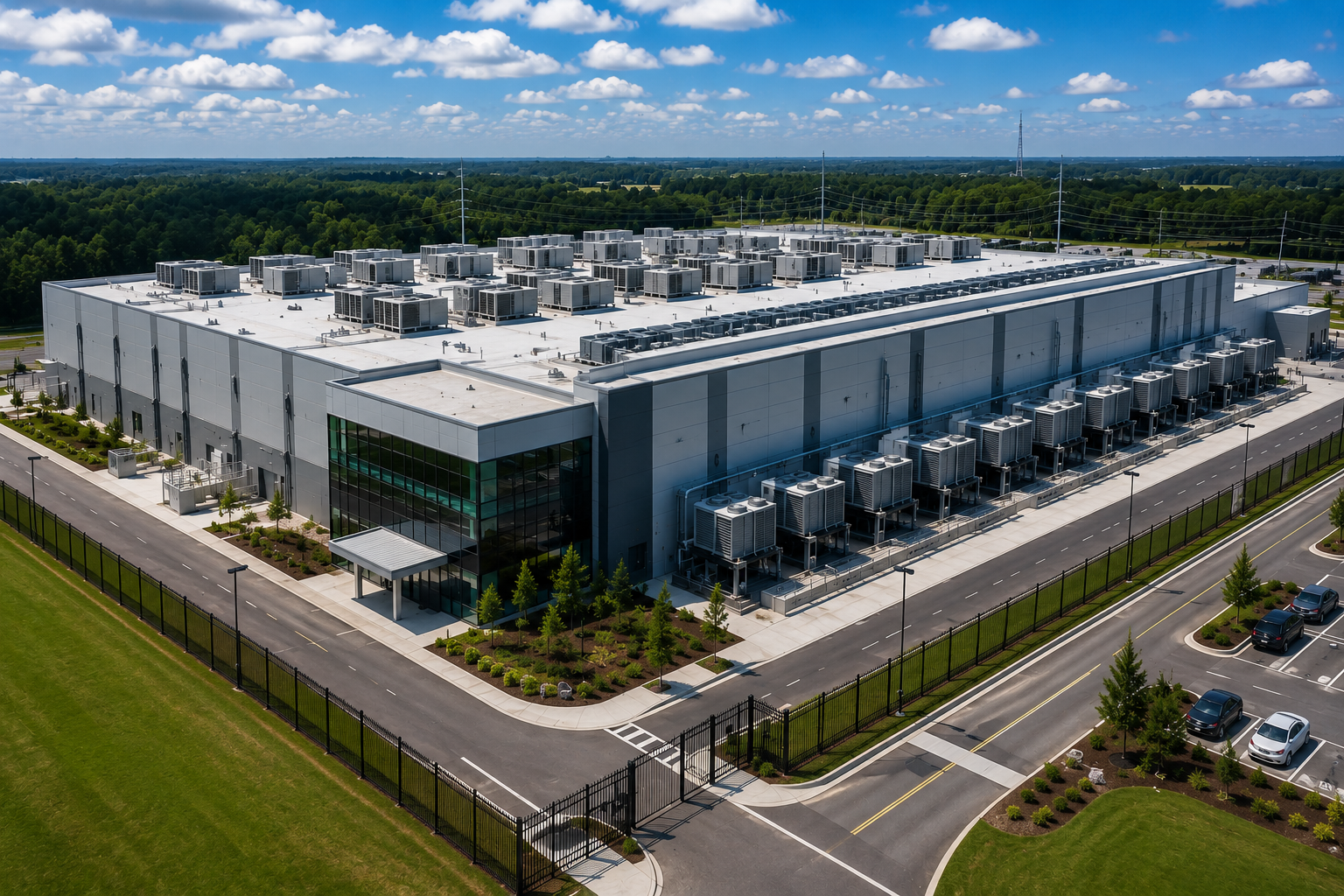
Raleigh -- October 9, 2026: North Carolina Attorney General Jeff Jackson is challenging Duke Energy’s proposed rate increases before state utility regulators, arguing that everyday families should not be forced to subsidize the explosive power demands of tech data centers and large industrial operations.
In recent filings before the North Carolina Utilities Commission (NCUC), Jackson is urging officials to establish a dedicated, separate rate class for data centers and massive commercial electricity users. Under his proposal, large-load facilities would pay utility rates reflecting the true, direct costs of the new generation plants, transmission lines, and grid upgrades required to serve them.
The battle directly impacts households across Western North Carolina, where power service is split between two Duke subsidiaries:
Duke Energy Progress (DEP): Serves customers primarily across the Asheville area and French Broad River valley corridor.
Duke Energy Carolinas (DEC): Powers surrounding mountain communities, western rural counties, and the foothills.
Jackson is actively intervening in pending proceedings for both entities.
In the Duke Energy Carolinas case, Jackson declined to sign onto a proposed settlement that would raise residential electricity rates by roughly 9.5% over two years, calling the hike excessive and insufficiently protective of household budgets. While the settlement included Duke's commitment to participate in an expedited regulatory track regarding data centers, Jackson insisted the concession did not go far enough.
“Our case is about lowering this rate hike and making sure rates for data centers and other large users are handled in a way that is fair to families,” Jackson stated.
Meanwhile, in the Duke Energy Progress proceeding, testimony submitted by Jackson’s office asserts regulators could eliminate nearly $960 million in unnecessary system-wide cost increases over a two-year stretch.
Beyond rate classes, the Attorney General’s proposal calls for strict cost safeguards:
Shielding existing residential rate payers from financial liability if large industrial or data center projects are delayed, downsized, or canceled.
Authorizing large commercial users to procure or construct their own clean-energy resources to offset unprecedented load growth.
Mandating that corporate facilities bear an equitable share of reserve-capacity and infrastructure expenses rather than rolling those capital costs into baseline residential tariffs.
The NCUC is expected to issue key decisions on both Duke rate cases this fall. Any approved rate adjustments, alongside long-term cost allocation rules for high-demand commercial users, would take effect as early as January 1, 2027.